The sports card market in 2026 feels quieter than it did during the peak volatility of 2020–2022. Prices move more slowly. Fewer viral flips dominate timelines. Breaking culture exists, but it no longer drives the entire ecosystem.
That calm has led some collectors to assume the market has stalled. The underlying data suggests the opposite. The market has not stalled. It has restructured.
The most important shift is not which cards are popular. It is how value is created, verified, and exchanged. Liquidity, grading trust, population data, and executed sales now matter more than excitement or short-term narratives.
This post explains how the modern sports card market actually works in 2026 using observable mechanics and verifiable signals.
Liquidity Is Now the Primary Value Multiplier
In 2026, value is determined less by what a card once sold for and more by how reliably it can sell again.
Liquidity is shaped by:
-
Frequency of recent public sales
-
Number of comparable transactions
-
Consistency of grading outcomes
-
Buyer depth across platforms
Cards that trade often with narrow price ranges outperform cards that post isolated high sales but rarely change hands. This is why many mid-tier graded cards outperform rarer but illiquid pieces.
Liquidity converts theoretical value into usable value.

Population Reports Are Used Differently Now
Population reports are no longer read as raw scarcity indicators.
Collectors now combine population counts with:
-
Annual grading volume trends
-
Grade distribution curves
-
Regrade behavior
-
Active market supply versus total population
A card with a higher population but steady sales can be more stable than a lower-population card that rarely trades.
Population data from Professional Sports Authenticator, Beckett Grading Services, and Sportscard Guaranty Corporation is now treated as a risk assessment tool, not a hype metric.
Collectors are asking better questions:
-
Is population growth slowing or accelerating?
-
Are top grades becoming harder to achieve?
-
Is demand absorbing new supply?
Those answers matter more than the raw number itself.

Grading Trust Has Become a Market Advantage
Grading in 2026 is less about condition nuance and more about buyer confidence.
Market behavior shows:
-
Buyers pay premiums for slabs they trust to resell
-
Auction houses subtly favor certain slabs in high-value consignments
-
Pricing spreads between grades reflect confidence, not generosity
Collectors are no longer debating which grader is “tougher.” They are pricing cards based on which slabs buyers accept without hesitation.
Trust has become an asset.
Auction Results Drive Real Price Discovery
Asking prices have lost authority. Executed sales define the market.
Auction platforms concentrate serious buyers, create forced liquidity events, and publish transparent results. Because of that, auction outcomes increasingly anchor pricing across private sales and marketplaces.
Results from houses like Goldin and Heritage Auctions influence comps far beyond their own platforms.
Gradual declines in auction pricing often signal structural repricing, not panic. That distinction separates disciplined collectors from reactive ones.
Store your top-loaded, one-touch, and graded cards properly with a heavy duty card storage case. You can find one here.

Modern Print Runs Changed Risk Permanently
Modern sports cards are not overproduced in the traditional sense. They are over-segmented.
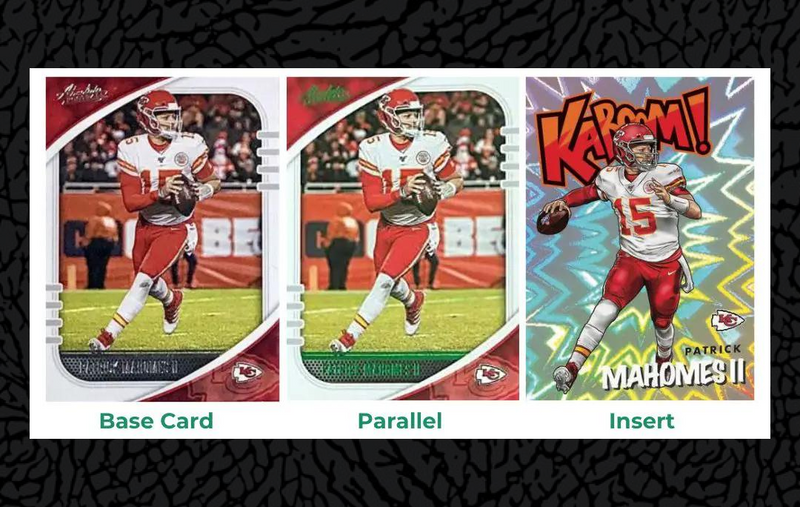
The expansion of parallels, serials, and inserts has fragmented demand. Scarcity alone no longer guarantees liquidity.
Key outcomes:
-
Serial numbering does not ensure resale demand
-
Flagship parallels outperform obscure short prints
-
Recognizable designs matter more than extreme rarity
Collectors increasingly favor cards that sit at the intersection of:
-
Established product lines
-
Consistent grading outcomes
-
Active secondary markets
What This Means for Collectors in 2026
Evidence-based collecting now prioritizes:
-
Cards with repeatable transaction history
-
Grades backed by trusted standards
-
Predictable population behavior
-
Proven auction liquidity
Speculation driven solely by social momentum underperforms over time. The market rewards clarity and discipline.