How to Identify the True Rookie in a Fragmented Sports Card Market
Rookie cards meant something clear in the 1980's. In 2026, the definition is fragmented. Learn how to determine which rookie cards actually matter using evidence-based criteria.

In 1986, if you pulled a flagship rookie of a future Hall of Famer, you knew what you had. There was typically one widely recognized card that the market treated as the rookie.
In 2026, that clarity no longer exists.
A single player can have:
-
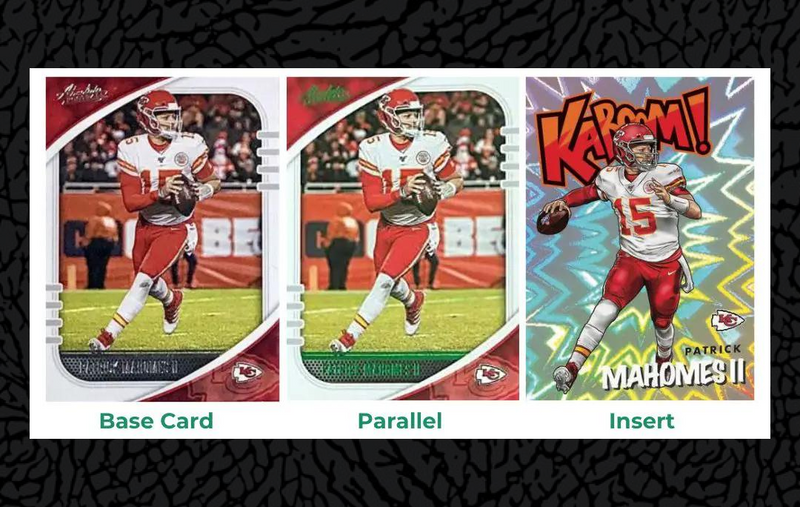
multiple base rookie cards across different brands
-
chromium versions
-
dozens of color parallels
-
short prints and image variations
-
retail exclusives
-
hobby exclusives
-
serial-numbered tiers
-
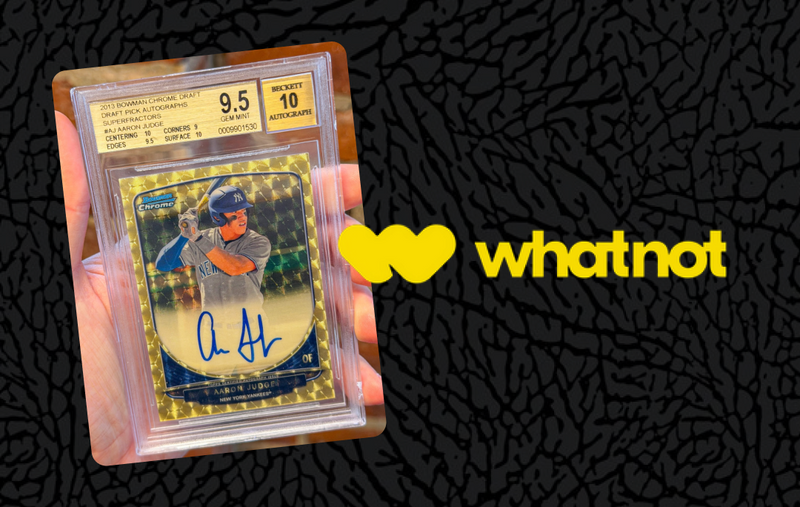
autographed versions
-
debut patches and specialty inserts
Collectors are no longer asking, “Is this a rookie card?”
They are asking, “Which rookie actually matters?”
This guide explains how rookie cards evolved, why fragmentation occurred, and how to determine whether a rookie card holds long-term significance.
Why Rookie Cards Were Clearer in 1986
During the mid-1980s, production structure was simple.
Manufacturers such as Topps and Fleer typically released:
-
one primary flagship set per year
-
limited parallel variations
-
no color rainbow systems
-
no serial-numbered tier explosions
If a player debuted in a flagship checklist, that card became the hobby’s recognized rookie.
There was no debate between chrome, refractor, retail, hobby, mega box, first wave, second wave, or parallel hierarchy.
Supply was larger in aggregate, but structure was simpler.
Recognition drove value.

What Changed Between 1986 and 2026
Several structural changes reshaped rookie definitions:
1. Brand fragmentation
Multiple licensed manufacturers now produce separate flagship sets within the same sport.
2. Parallel expansion
Modern products can contain dozens of parallel tiers per player.
3. Serial-numbered tiers
Rookie cards may exist in print runs ranging from unlimited base to 1/1 exclusives.
4. Retail vs hobby segmentation
Retail-exclusive and hobby-exclusive rookie versions create parallel recognition paths.
5. Autograph proliferation
Autographed rookie cards now compete with non-auto base rookies for status.
The result is a fragmented rookie ecosystem.

What it shows (in one photo):
-
Left: the player’s base rookie card (the “true rookie” / main rookie in that product line)
-
Right: the Rookie Debut card (still an RC, but typically treated as a secondary rookie within Topps Update)
The “True Rookie” vs The “Rookie Card”
In 2026, the market typically separates rookie cards into categories.
Flagship base rookie
The main rookie from the core flagship set.
Often considered the foundational rookie.
Chrome rookie
Chromium version of the flagship design.
Often carries stronger grading demand due to surface sensitivity and registry participation.
Serial-numbered parallel
Limited print run variation of the rookie.
Scarcity increases but recognition varies.
Autograph rookie
Pack-certified autographed rookie card.
Often considered a premium rookie tier.
Insert rookie
Special themed insert featuring the rookie.
Usually not considered the primary rookie unless historically significant.
How Collectors Determine Which Rookie Matters
Evidence from auction archives, grading populations, and collector demand shows that several factors consistently determine long-term rookie relevance.
1. Flagship recognition
The base flagship rookie from a major licensed set often becomes the reference point.
Collectors use it as the benchmark for:
-
grading comparisons
-
registry sets
-
long-term value tracking
2. Grading volume and population data
Population reports from major grading companies including Professional Sports Authenticator, Beckett Grading Services, and CGC Cards reveal which rookies are most submitted.
Higher submission volume often indicates:
-
stronger collector recognition
-
long-term tracking demand
-
higher liquidity
Low-population scarcity matters only when paired with demand.
3. Auction consistency
Cards that consistently sell across auction platforms demonstrate market acceptance.
Consistency matters more than isolated high sales.
4. Product hierarchy
Not all brands carry equal historical weight.
Collectors often prioritize:
-
flagship releases
-
long-running product lines
-
historically recognized brands
Product reputation influences rookie relevance.
5. Scarcity paired with demand
A rookie numbered to 25 does not automatically outrank a base flagship rookie.
Scarcity must intersect with:
-
player demand
-
product importance
-
grading supply
-
collector tracking behavior
Why There Is No Modern Equivalent of a Singular 1986-Style Rookie
In 1986, recognition concentrated around one card.
In 2026:
-
brand competition divides attention
-
parallel saturation spreads scarcity
-
grading registry competition elevates specific tiers
-
online marketplaces amplify short-term trends
The market does not consolidate around a single rookie in most cases.
Instead, it creates tiers.

Chrome RC
The Modern Rookie Hierarchy Framework
Collectors evaluating a rookie in 2026 should ask:
-
Is this from the primary flagship release?
-
Is this a chrome version of that flagship?
-
Is it serial-numbered?
-
Is it autographed?
-
How many copies are graded at high levels?
-
Does it show consistent auction liquidity?
The answer determines tier placement.
Practical Example Framework
When analyzing a rookie, categorize it into one of these tiers:
Tier 1
Flagship base rookie and flagship chrome rookie.
Tier 2
Low-numbered flagship parallels and certified autographs.
Tier 3
Mid-tier parallels and common inserts.
Tier 4
Excess parallel variations with limited collector demand.
This framework reflects observable market behavior rather than hype.
What Rookie Cards Actually Represent in 2026
A rookie card is no longer just the first appearance.
It is a liquidity anchor.
It is a grading benchmark.
It is a population-tracked asset.
It is a product hierarchy signal.
The most relevant rookies are those that:
-
anchor grading registries
-
appear consistently in auctions
-
serve as market reference points
-
maintain demand across multiple seasons
How to Protect and Evaluate Your Rookie Cards
Because rookie value often depends on condition:
-
sleeve immediately after pulling
-
store in rigid holders
-
inspect for print lines and surface flaws
-
evaluate centering before grading
-
compare graded population data
Proper protection preserves grading potential and liquidity.

Protect your cards with this card case –> here