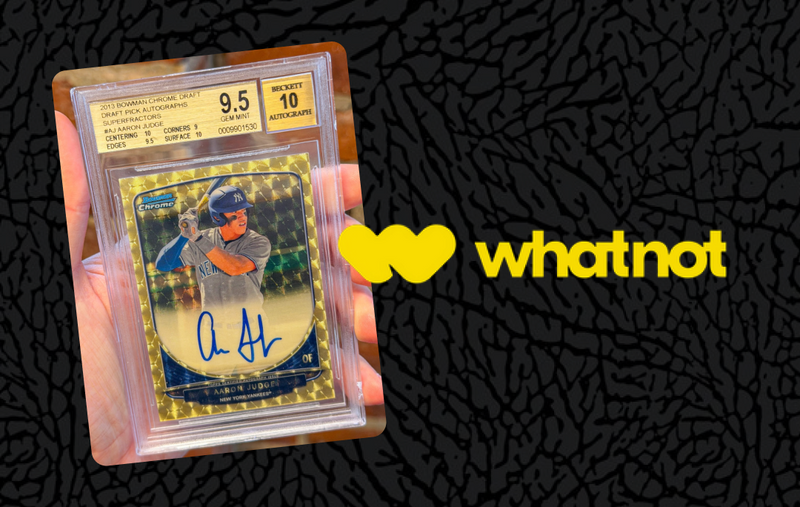
In late 2025, sports card grading submissions leveled off after years of rapid growth. Learn what caused the slowdown, recent industry consolidation with Collectors, PSA, SGC, and Beckett, and what collectors should expect in 2026.
A Turning Point for the Hobby
As 2025 drew to a close, a clear trend emerged across the sports card world: grading submissions were no longer climbing at the pace seen during the boom years. After several consecutive years of explosive growth in the number of cards sent for grading, collectors, dealers, and grading companies observed a measurable slowdown in Q4 of 2025.
This shift reflects deeper changes in the hobby’s behavior, economics, and industry structure — and sets the stage for how collectors will think about grading and value in 2026.
What Really Slowed Down in Q4 of 2025
Several observable patterns appeared late last year:
-
Total card grading submissions leveled off compared to previous years
-
Turnaround times stopped shrinking as drastically as in prior boom cycles
-
Bulk grading orders decreased, replaced by more selective submissions
-
Many collectors became more discerning about which cards they send in
This wasn’t an abrupt collapse. Instead, it looked like the hobby moving past its peak growth phase and into a more measured stage of maturity.
Why Submissions Slowed
1. Cost Versus Expected Return
One major factor is simple economics: grading costs have stayed relatively constant while prices for many modern cards have stabilized or softened. In many cases, submitting base cards no longer makes financial sense unless the card has clear rarity, a strong player narrative, or long-term holding potential.
Collectors increasingly ask:
-
Will this card actually appreciate graded?
-
Does its scarcity justify the grading fee?
-
Is demand based on short-term buzz or long-term interest?
As a result, many submitters have shifted toward quality over quantity.
2. The Hobby Normalized After Rapid Growth
From 2020 through 2023, grading volume surged as new collectors poured into the hobby and chased quick returns. That period pulled forward a lot of demand that would naturally be spread out over several years.
By late 2025:
-
Prices in many segments had plateaued
-
Speculative flipping showed signs of slowing
-
Long-term collecting became more common
This correction reduced the urgency to grade large volumes of cards.
Industry Consolidation: Collectors, PSA, SGC, Beckett, and eBay/Goldin
What Collectors Own Now
-
Professional Sports Authenticator (PSA): The largest card grading brand is part of the Collectors ecosystem (Collectors acquired PSA earlier in the decade). Wikipedia
-
SGC (Sportscard Guaranty): PSA’s parent company Collectors acquired SGC in 2023 and transitioned its sports card grading business under the broader PSA umbrella. Sports Collectors Daily
-
Beckett: In December 2025, PSA’s parent company reached an agreement to acquire Beckett’s grading and authentication business; Beckett will continue to operate as a distinct brand within the Collectors family. Cllct
-
Goldin Auctions: Collectors previously owned Goldin but sold it to eBay in 2024; concurrently, PSA acquired the eBay Vault program, bringing vault storage services into its ecosystem. eBay Investors+1
These moves have significantly concentrated grading and related services under a small number of interconnected companies.
Why This Matters to Collectors
It’s important to distinguish facts from concerns:
Facts
-
Collectors’ parent company now controls multiple major grading brands
-
Beckett is operating as a separate brand under the Collectors umbrella
-
Goldin Auctions was sold to eBay; PSA acquired the eBay Vault program
-
Market share data shows PSA/Collectors hold a substantial portion of grading volume even without Beckett’s acquisition (PSA, SGC, and Beckett combined remain dominant players). Cllct
Collector Sentiment
While nothing above constitutes a legal monopoly by antitrust definitions, many collectors are voicing concern about reduced competition, less pricing flexibility, and fewer truly independent grading choices. These feelings originate from:
-
Perceptions of decreased competition
-
Fewer pricing alternatives across major graders
-
Higher dependency on a small number of service providers
-
Anxiety about potential impacts on turnaround times and service quality
These discussions are prevalent in hobby forums and social media, though they reflect sentiment rather than formal regulatory findings.
What This Means for 2026
The grading slowdown and industry consolidation in late 2025 are shaping collector behavior for this year:
Collectors in 2026 Are:
-
Being more intentional about which cards get graded
-
Placing higher value on rarity and player legacy
-
Watching grading turnaround and pricing closer than ever
-
Considering alternative grading brands where it makes sense
-
Focused on long-term value rather than speculative volume
Grading remains a cornerstone of modern collecting, but the strategy behind it has shifted.
Final Perspective
The era of massive annual grading growth is over. What we’re seeing now is a hobby that’s adjusting its expectations, balancing cost versus value, and responding to broader shifts in market behavior and industry structure.
For serious collectors in 2026, that means:
- Less hype-driven grading, more strategic collecting.
- More scrutiny of industry dynamics.
- A thoughtful approach to card investment.
Whether this leads to greater stability or presents new challenges depends on how service providers respond to collector needs this year.
Just an opinion and would love to hear yours! Let's keep the discussion relaxed and helpful to the community. Keep collecting!